
Do I need to take Prebiotics?
5/8/20244 min read
What are Prebiotics?
Prebiotics are a type of dietary fiber that feed the beneficial bacteria (probiotics) in your gut, helping them thrive and maintain a healthy balance in your digestive system. Unlike probiotics, which are live bacteria, prebiotics are non-digestible fibers that act as food for these bacteria, promoting a favorable environment for them to grow and function well. Prebiotics are found naturally in many plant-based foods, and they can also be taken as supplements.
How Prebiotics Work
Support the Growth of Beneficial Bacteria: By providing nourishment for beneficial gut bacteria, prebiotics help these microorganisms multiply and improve their effectiveness in maintaining a healthy gut. This can contribute to better digestion, nutrient absorption, and immune function.
Help Produce Short-Chain Fatty Acids (SCFAs): When prebiotics are fermented by gut bacteria, they produce short-chain fatty acids like butyrate, acetate, and propionate. These SCFAs support gut health by reducing inflammation, strengthening the gut lining, and promoting overall metabolic health.
Balance Gut Microbiota: Prebiotics help maintain a balance between beneficial and harmful bacteria in the gut, reducing the risk of digestive issues like bloating, gas, constipation, and infections.
Prebiotics can be the missing link to your gut health problems. Just like our bodies need food and nutrients, so do our gut bacteria.
Common Sources of Prebiotics
Many foods naturally contain prebiotics, and adding them to your diet can help support gut health without needing supplements. Some common prebiotic-rich foods include:
Fruits: Bananas, apples, and berries
Vegetables: Onions, garlic, leeks, and asparagus
Whole Grains: Oats, barley, and wheat bran
Legumes: Lentils, chickpeas, and beans
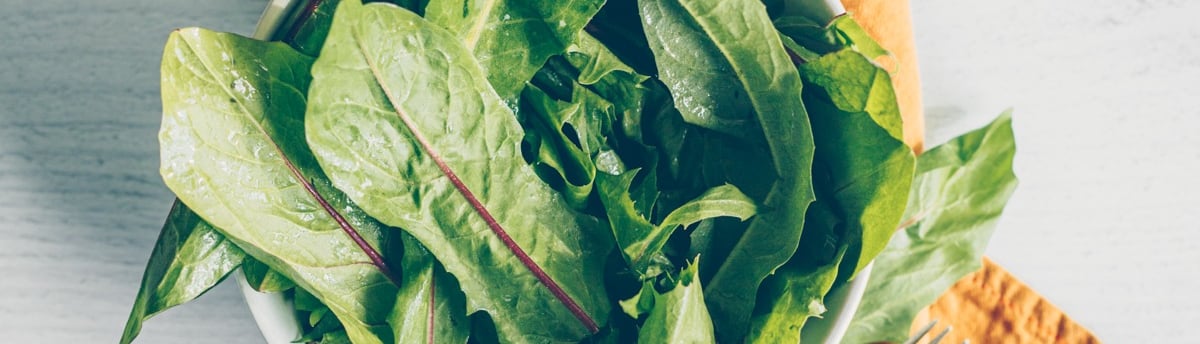
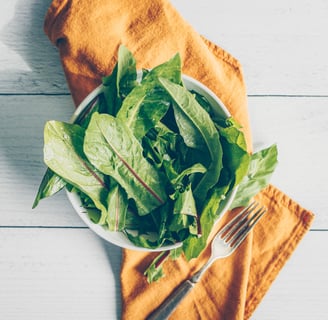
Roots: Chicory root, dandelion greens, and Jerusalem artichokes
Do You Need to Take Prebiotics?
Everybody needs to include prebiotics in their diet, without them your microbiome would starve. It depends on the quality of your diet as to whether you need to take an additional prebiotic supplement. Here are some considerations:
1. Natural Intake Through Diet
If you have a balanced diet that includes a variety of fiber-rich fruits, vegetables, whole grains, and legumes, you may already be getting enough prebiotics from your food.
A diverse diet rich in prebiotic foods can naturally support gut health, making supplements unnecessary for many people.
2. Digestive Health Concerns:
If you experience digestive issues like constipation, bloating, or irritable bowel syndrome (IBS), adding prebiotics may help improve your symptoms. However, for some people with IBS, certain prebiotics might cause discomfort, so it’s important to start with small amounts and see how your body responds.
3. Taking Probiotics:
If you are taking probiotic supplements or consuming probiotic-rich foods (like yogurt or kefir), adding prebiotics can help enhance their effectiveness. Prebiotics serve as a fuel source for these beneficial bacteria, ensuring they thrive in the gut.
4. Immune System Support:
If you’re looking to boost your immune system or improve overall gut health, prebiotics can play a role in enhancing immune function. They help maintain a balanced gut microbiota, which is closely linked to immune health.
5. Specific Conditions:
For individuals with conditions like antibiotic-associated diarrhea, inflammatory bowel disease (IBD), or other gut-related conditions, a healthcare professional might recommend prebiotic supplements as part of a treatment plan.
Potential Downsides of Prebiotics
Digestive Discomfort: Some people may experience gas, bloating, or discomfort when they start consuming prebiotics, especially in larger amounts. This is because the fermentation process by gut bacteria can produce gas. It’s best to start with small portions and gradually increase intake.
Personal Sensitivity: People with sensitivities to certain fibers or who follow a low-FODMAP diet for managing IBS might need to be careful with prebiotics, as some types (like inulin and fructans) can trigger symptoms.
Bottom Line: Should You Take Prebiotics?
You might benefit from prebiotics if you’re looking to:
Improve overall gut health and digestion.
Enhance the effectiveness of probiotic supplements.
Support your immune system.
If you are already eating a diet rich in prebiotic foods and have no major digestive issues, you may not need a supplement. Most supplements use INULIN as their prebiotic source. Inulin is extracted from the chicory plant and added to many probiotic supplements, or it can be purchased as a powder that you can add to food or drink. The good thing about inulin powder is that it is tasteless, odorless, and dissolves easily into food and drink.
If you are keen to start taking a prebiotic, here are a few that I think are worth taking to support your gut health.
However, if you think you might need more prebiotics or have specific digestive health concerns, book in for a consultation or a supplementation review to help you make an informed decision about whether to add prebiotics to your regimen.
*As an Amazon associate I earn a small commission from qualifying purchases
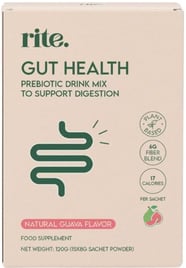
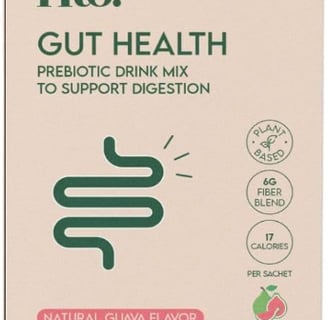
Rite Gut health is a CONVENIENT drink that contains scientifically proven prebiotic fibers plus electrolytes, vitamin c and apple cider vinegar.
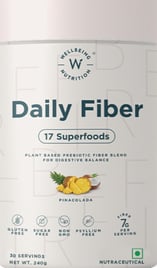
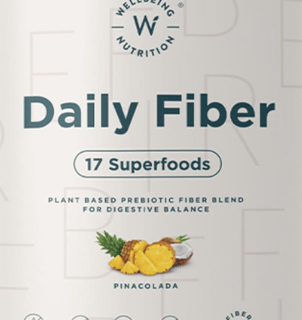
daily fiber is a very comprehensive formula. this is great for those prone to constipation as it supports bowel motility. you will also get a good boost of nutrients from the superfoods in the formula.
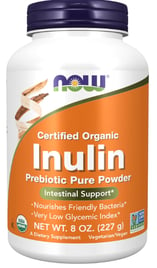
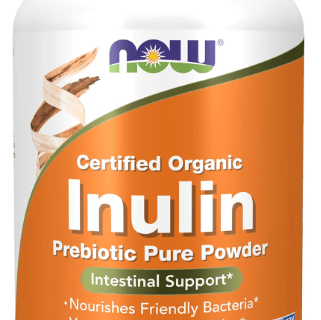
this is a pure inulin product with no other ingredients. nice and simple, making it great for those with sensitive digestion that may react to a more complex product. affordable and gives pure prebiotics.
The Health Reset
Transform your health with our expert guidance.
Nutritionist in Dubai
© 2024. All rights reserved.
Thehealth Reset Personal Sport Coaching Services. License # 1421723